Metalworking
Part identification and traceability, where the mark has to outlive machining, heat and paint.
Traceability is not coding
In metalworking the mark is usually not a date. It is an identity: a part number, a serial, a heat number, a work order reference. It exists so that a component can be traced back to a batch of material and a moment in production, sometimes decades later.
That changes the requirement. An ink code that survives shipping is fine for a carton. A component that goes through machining, degreasing, heat treatment, shot blasting and paint needs something else.
Where ink still works
Plenty of metalworking marks are legitimately temporary. Identifying stock in a yard, marking a coil for the next process, labelling a profile that will be cut down within the week — none of these need permanence, and inkjet is faster and cheaper than any permanent method.
Large-character systems cover sheet, plate and profile. Handheld printers cover material that is already stacked and cannot be moved past a station.
For a mark that has to be permanent, that is a different technology and worth saying so plainly rather than selling ink for a job it cannot do.
Worth checking
Does the mark need to survive a downstream process, and which one?
Is the surface oily, galvanised, painted or bare?
Does the part come to the marking station, or does the marking have to go to the part?
Related: metal covers surface and ink questions in more detail.
Recommended printers
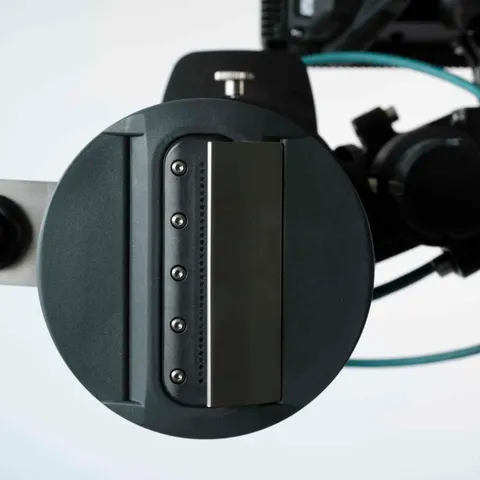
EBS-1600
Large-character drop-on-demand printer with self-pressurised, tool-free cartridges.

Handjet EBS-260
Handheld inkjet printer with text, graphics and 1D/2D barcodes, up to 16 hours cordless.
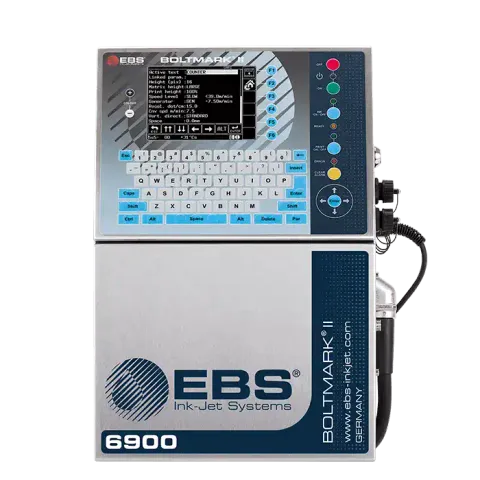
EBS-6900
Continuous inkjet coding for fast lines, with the full option set.